Paris Under €20
Surviving the French Capital on a Shoestring
The Challenge: Paris
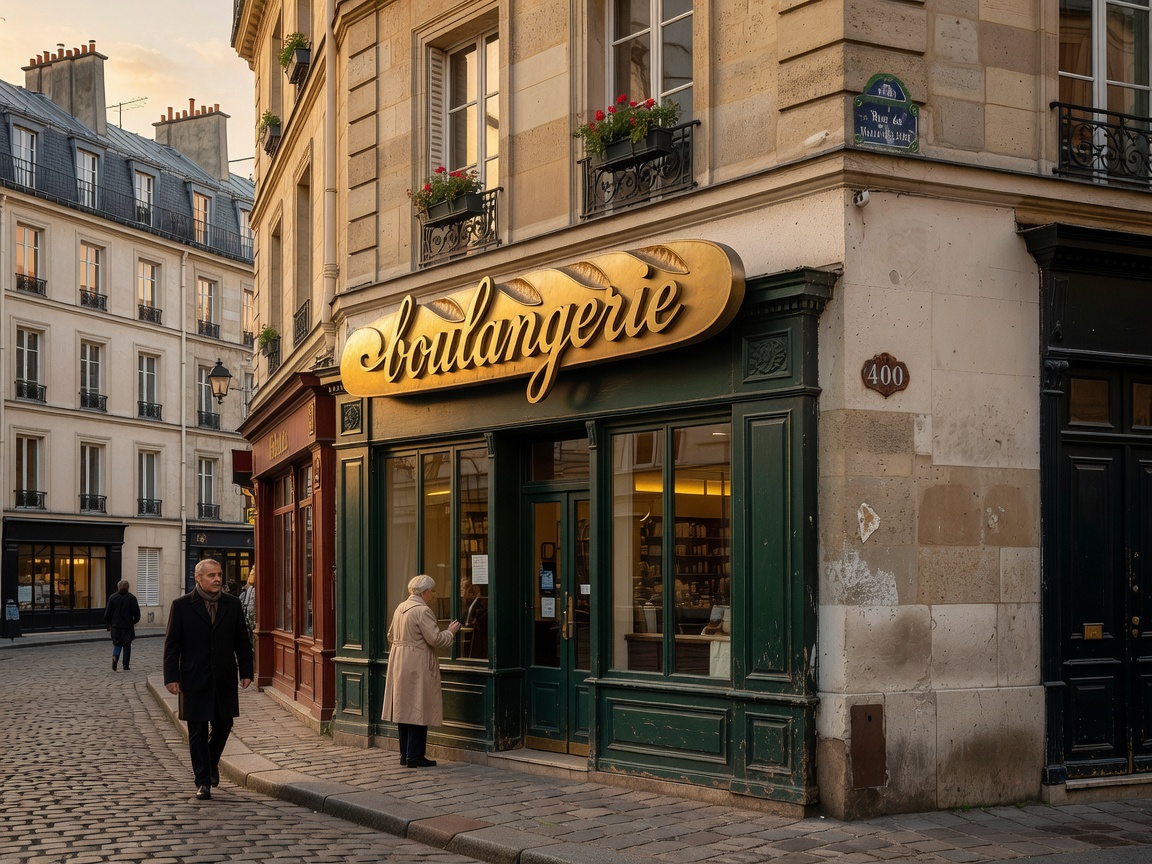
Paris is synonymous with haute cuisine, Michelin stars, and eye-watering dinner bills. If you sit down at a traditional brasserie near the Louvre, your €20 budget might cover a single glass of wine and maybe a basket of bread. To survive the Quirksortcompss €20 Food Challenge here, you have to rethink how and where you eat. The secret lies in the city's bakeries (boulangeries), vibrant street food quarters, and eating on the go.
Breakfast: The Bakery Rule
Do not attempt to order breakfast at a café. A simple "formule" (coffee, juice, and a pastry) sitting at a table will instantly delete €8 to €12 from your daily budget. Instead, follow the locals. Walk into any neighborhood boulangerie artisanale.
Your target is the classic Croissant au Beurre or a Pain au Chocolat. In most non-tourist arrondissements, these will set you back between €1.10 and €1.50 each. Pair this with a takeaway espresso (around €1.50 at the counter, never seated) or grab a piece of fresh fruit from a street market for €0.50.
- Item: 1 Pain au Chocolat + Espresso
- Cost: ~€3.00
- Budget Remaining: €17.00
Lunch: The Jewish Quarter & The Marais
When midday hits, you need something filling to sustain you through museum visits and river walks. The Marais district, specifically Rue des Rosiers, is the epicenter of legendary Parisian street food. The falafel here is famous for a reason.
Spots like L'As du Fallafel or Mi-Va-Mi serve massive, overstuffed pita sandwiches loaded with crispy chickpea balls, roasted eggplant, hummus, red cabbage, and spicy sauce. Grabbing one from the takeaway window is essential; sitting down inside will incur a service fee. A fully loaded falafel sandwich takeaway usually costs around €7.50 to €8.50. Grab it, walk to the nearby Place des Vosges, and eat on a park bench.
- Item: Takeaway Falafel Sandwich
- Cost: ~€8.00
- Budget Remaining: €9.00
Dinner: The Crêpe Strategy
With €9 left, a sit-down dinner is out of the question, but Paris has a magnificent late-night street food culture centered around the humble crêpe. Dotted around areas like Montparnasse or the Latin Quarter, small crêpe stands serve both sweet and savory options cooked fresh on massive cast-iron griddles.
Order a Galette Complète (a buckwheat crêpe filled with ham, melted emmental cheese, and an egg). It's warm, comforting, and quintessentially French. These savory staples generally range from €5.00 to €7.00 at a street stall. This leaves you with enough spare change for a sweet dessert crêpe (butter and sugar, or lemon) to finish the night.
- Item: Galette Complète + Lemon Sugar Crêpe
- Cost: ~€8.50
- Budget Remaining: €0.50
Pros and Cons of Budget Eating in Paris
Pros
The quality of basic ingredients in Paris is phenomenally high. Even the cheapest neighborhood bakery produces bread and pastries that rival high-end spots in other countries. You don't feel like you are sacrificing quality, only service.
Cons
The weather. Budget eating in Paris relies heavily on eating outdoors in parks or along the Seine. If it rains, you are forced to find shelter, and cheap, dry seating without a minimum spend is incredibly hard to find in the city.
Final Verdict
Beating the €20 challenge in Paris is totally viable, but it requires discipline. You cannot succumb to the romance of the terrace cafés. Stay mobile, embrace the bakery culture, and you will eat exceptionally well without emptying your wallet.